
Reaching the right audience with your valuable content is crucial for any business or individual aiming to build authority and drive results. Content amplification systems are essential tools and strategies that extend the reach of your published material beyond your immediate audience, ensuring it gets seen by more relevant eyes. These systems leverage various channels and techniques, from paid advertising to organic search, to give your content the visibility it deserves in a crowded digital landscape. Understanding which systems are most effective can significantly impact your marketing success.
Overview:
- Content amplification systems are crucial for extending content reach and impact.
- They encompass paid advertising, organic strategies, and integrated approaches.
- Top paid systems include native advertising platforms, social media ads, and search engine marketing.
- Leading organic systems leverage SEO tools, email marketing, and community engagement.
- Integrated platforms and influencer marketing offer combined strategies for broader reach.
- Choosing the best system depends on your specific goals, budget, target audience, and content type.
- Effective measurement and analysis are vital for optimizing any content amplification systems.
Top Paid Content Amplification Systems
When immediate and scalable reach is the goal, paid content amplification systems are often the most direct route. These systems allow content creators to target specific demographics, interests, and behaviors, placing their content directly in front of potential audiences. Native advertising platforms like Outbrain and Taboola are prominent examples. They distribute your content across a vast network of publisher sites, making it appear as “recommended content” alongside editorial articles. This often leads to higher engagement rates due to the content’s less intrusive nature. Social media advertising platforms, including Meta Ads (Facebook and Instagram), LinkedIn Ads, and Twitter Ads, offer incredibly granular targeting options, allowing businesses to pinpoint users based on rich profile data. For instance, a B2B company in the US might use LinkedIn Ads to target specific job titles or industries. Search engine marketing (SEM), primarily through Google Ads, places your content at the top of search results for relevant keywords, capturing intent-driven traffic at the exact moment users are looking for information. Each of these paid systems provides detailed analytics to track performance and optimize campaigns for maximum return on investment.
Leading Organic Content Amplification Systems
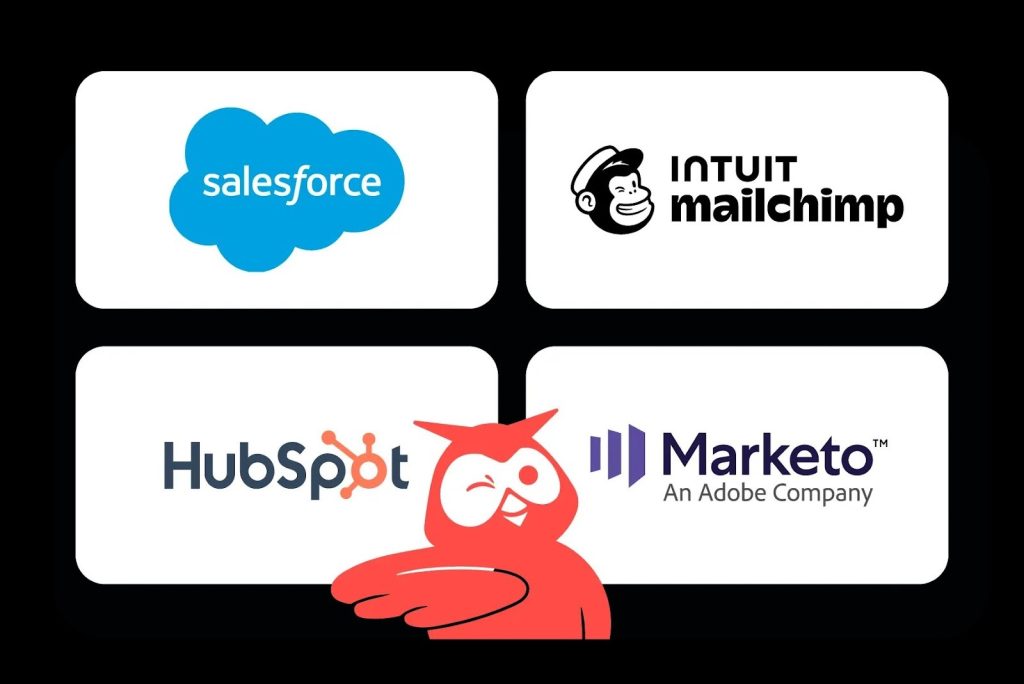
Organic content amplification systems focus on building long-term, sustainable visibility without direct ad spend. These methods rely on creating high-quality, valuable content that naturally attracts and engages an audience. Search Engine Optimization (SEO) is a cornerstone of organic amplification. Tools like SEMrush, Ahrefs, and Moz help content creators understand search intent, identify relevant keywords, and optimize their content and website structure to rank higher in search engine results. By appearing prominently in organic search, content gains credibility and attracts consistent, qualified traffic over time. Email marketing platforms, such as Mailchimp, HubSpot, and ConvertKit, are powerful for amplifying content to an engaged subscriber base. Sending newsletters, content digests, and exclusive updates directly to inboxes ensures content reaches a pre-qualified audience. Community engagement and participation in relevant online forums, Q&A sites (like Reddit or Quora), and industry-specific groups also serve as effective organic amplification. Sharing insights and linking back to relevant content in these communities positions you as an expert and drives traffic from interested individuals.
Integrated and Influencer Content Amplification Systems
The most effective content amplification systems often involve a blend of strategies, integrating various channels to create a cohesive and powerful reach. Platforms like HubSpot offer integrated marketing solutions, combining SEO, email marketing, social media management, and content management into a single system, streamlining efforts and providing a holistic view of content performance. These all-in-one platforms allow marketers to execute multi-channel campaigns from a centralized dashboard. Another potent category involves influencer marketing platforms. These systems connect brands with individuals who have established credibility and a loyal following within a specific niche. Platforms like AspireIQ, Upfluence, or GRIN help identify, manage, and track campaigns with influencers who can authentically share and promote your content to their audiences. This leverages trust and existing relationships, often leading to higher engagement and conversion rates than traditional advertising. Public relations (PR) software, such as Cision or Muck Rack, also fits into integrated amplification by helping secure media placements and mentions for your content, extending its reach through credible news outlets and publications.
How to Choose the Best Content Amplification Systems
Selecting the best content amplification systems requires a clear understanding of your specific needs and objectives. First, identify your target audience: Where do they spend their time online? What kind of content do they consume? This will inform whether paid social, native ads, or a strong SEO strategy is most appropriate. Second, consider your content type. Is it a long-form article, a video, an infographic, or a podcast? Different content formats perform better on different platforms. For example, video content thrives on YouTube and TikTok, while in-depth articles are great for LinkedIn or industry blogs. Third, evaluate your budget. Paid systems offer immediate reach but require ongoing investment, while organic methods are more cost-effective over the long term but demand consistent effort and patience. Fourth, define your goals. Are you looking for brand awareness, lead generation, sales, or thought leadership? Each goal might lean towards different amplification strategies. Finally, always prioritize systems that offer robust analytics and reporting. The ability to track performance metrics like impressions, clicks, engagement, and conversions is critical for optimizing your efforts and continuously improving your content amplification systems. Regularly reviewing performance and making data-driven adjustments ensures your content reaches its maximum potential.