

In the modern digital landscape, businesses increasingly rely on dynamic cloud environments to host their applications and data. Managing these complex, distributed resources manually can be a daunting and error-prone task, leading to inefficiencies and increased operational costs. This is where cloud resource orchestration becomes indispensable, providing a programmatic approach to automate and streamline the deployment, management, and scaling of cloud services. It moves beyond simple automation to coordinate multiple automated tasks, ensuring that all components of an application or service work together seamlessly.
Overview
- Cloud resource orchestration automates the end-to-end management of cloud infrastructure components.
- It simplifies complex deployments by coordinating various cloud services like compute, storage, and networking.
- Key components often include Infrastructure as Code (IaC) tools, APIs, and workflow engines.
- Orchestration systems ensure consistency, reduce manual errors, and accelerate service delivery.
- It plays a crucial role in enabling dynamic scaling, self-healing capabilities, and efficient resource utilization.
- This approach is vital for managing workloads across multi-cloud and hybrid cloud environments.
What is Cloud Resource Orchestration?
Cloud resource orchestration refers to the automated arrangement, coordination, and management of cloud computing resources and services. Instead of manually configuring individual virtual machines, databases, networks, and storage components, orchestration tools allow users to define their desired infrastructure state using code or visual templates. These tools then interact with the cloud provider’s Application Programming Interfaces (APIs) to provision, configure, and manage these resources according to the defined specifications. It’s about building a coherent system from disparate parts, ensuring they are deployed in the correct order, with the right configurations, and dependencies met. This systematic approach is essential for applications that span multiple services and require specific interconnections and security policies.
Key Components of Cloud Resource Orchestration Systems
Effective cloud resource orchestration relies on several core components working in unison. At its heart is Infrastructure as Code (IaC), which allows teams to manage and provision infrastructure using configuration files rather than manual processes. Popular IaC tools include HashiCorp Terraform, AWS CloudFormation, Azure Resource Manager (ARM) templates, and Google Cloud Deployment Manager. These tools enable the definition of resources, their properties, and relationships in a human-readable and version-controlled format. Another critical component is robust API integration, as orchestration tools communicate directly with cloud provider APIs to create, modify, and delete resources. Workflow engines or state managers ensure that the sequence of operations is correctly executed, handling dependencies and potential failures. Configuration management tools like Ansible, Chef, or Puppet also often integrate to configure software within the provisioned infrastructure, making sure applications are ready to run upon deployment.
How Cloud Resource Orchestration Streamlines Operations
The primary benefit of cloud resource orchestration is its ability to streamline operational processes significantly. By automating the entire lifecycle of cloud resources—from provisioning and deployment to scaling, monitoring, and de-provisioning—it drastically reduces manual effort and the potential for human error. When an application needs to scale up due to increased demand, orchestration systems can automatically provision additional compute instances, adjust load balancers, and expand database capacity without human intervention. Conversely, during periods of low demand, resources can be scaled down, optimizing costs. This approach also facilitates self-healing capabilities; if a component fails, the orchestration system can detect the issue and automatically replace the faulty resource, maintaining application availability. For many organizations, including those in the US, this operational efficiency translates directly into faster innovation cycles and more reliable services.
Benefits and Practical Applications of Cloud Resource Orchestration
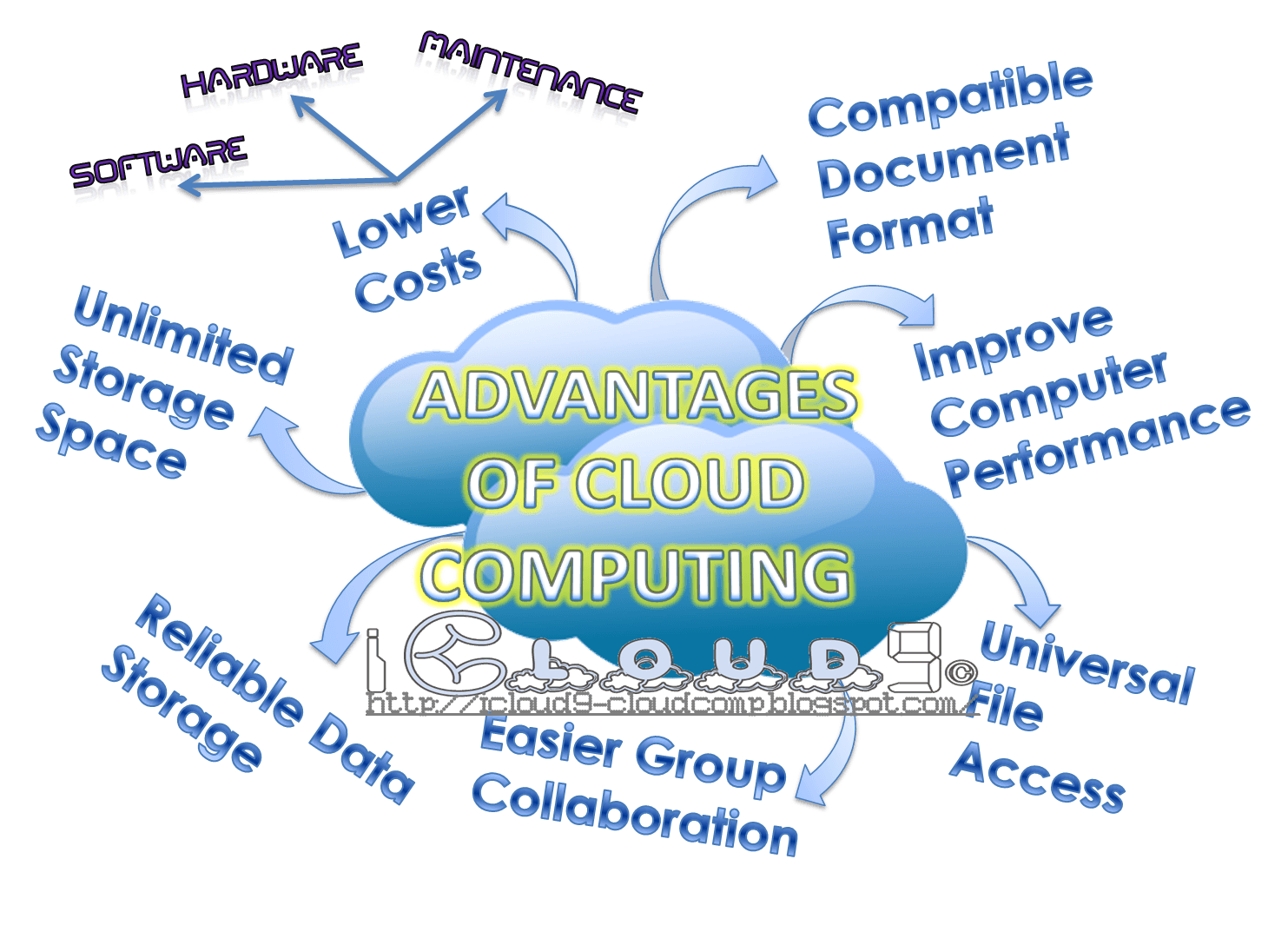
The advantages of implementing cloud resource orchestration are manifold. Firstly, it ensures consistency across environments, from development to production, by using standardized IaC templates. This eliminates configuration drift and “it works on my machine” issues. Secondly, it leads to significant cost savings by optimizing resource utilization, automatically scaling down unused resources, and reducing the time spent on manual operations. Thirdly, it accelerates application deployment and iteration, allowing developers to provision complex environments in minutes rather than hours or days. From a security standpoint, orchestration can enforce security policies and compliance requirements programmatically across all deployed resources. Practical applications range widely, including the automated deployment of microservices architectures, creation of reproducible testing environments, disaster recovery setup, and managing multi-cloud deployments where resources are spread across different providers. For businesses aiming for agility and resilience, cloud resource orchestration is not just a convenience, but a strategic imperative.

