
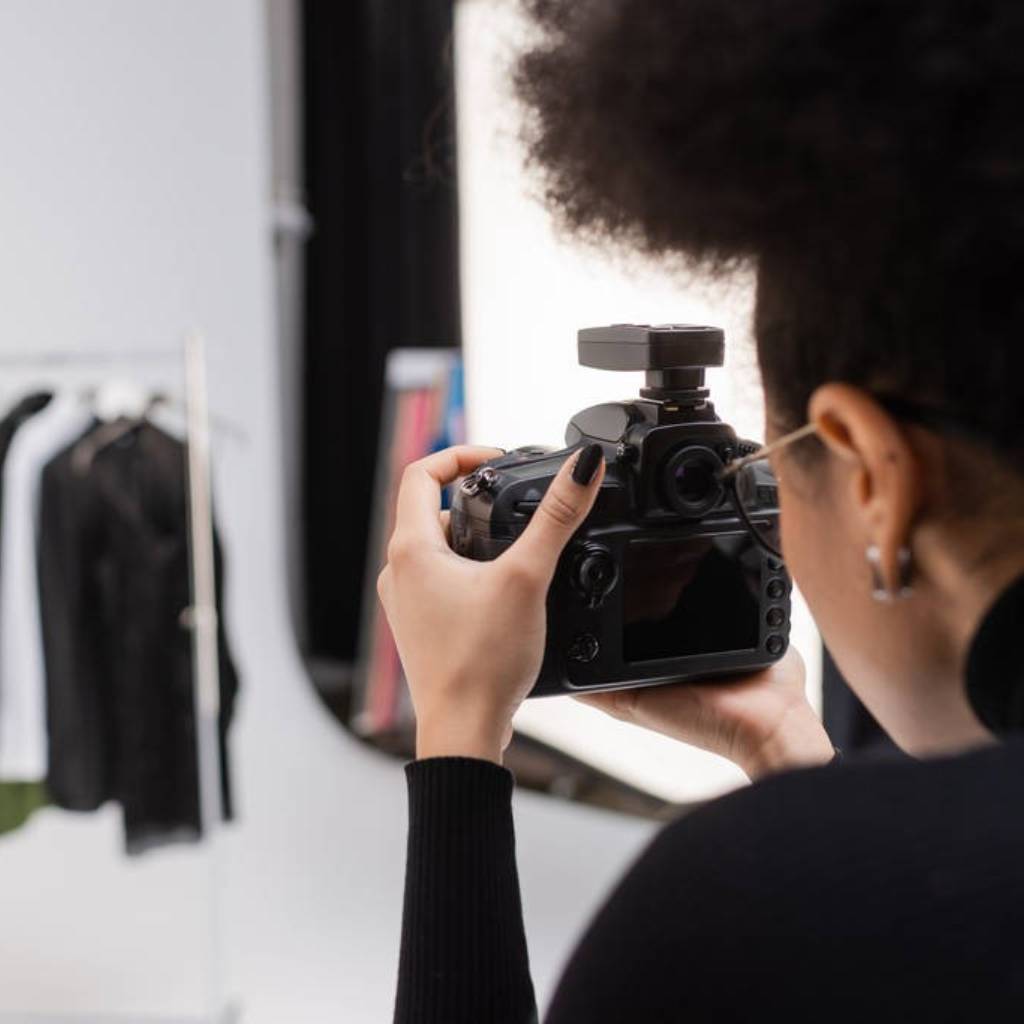
Guests eat with their eyes before they ever pick up a fork. A glossy photograph of a perfect dish or a warm dining room can fill a reservation book. Strong imagery tells people what to expect and why they should visit. Hospitality brands that invest in quality visuals often see that return quickly.
Key Takeaways
- Natural light makes food and interiors look fresh and inviting.
- Styled dishes and clean plating create appetite appeal.
- Wide, medium, and close frames show a venue from every angle.
- Consistent editing builds a recognizable brand across channels.
- Shooting outside service hours protects guests and speeds up the session.
- Staff, hands, and small details add life to otherwise still images.
- A detailed shot list prevents missed menu items and key spaces.
- Experienced specialists understand both food styling and venue atmosphere.
Use Natural Light Wherever Possible
Soft daylight flatters almost every dish. It reveals color, texture, and moisture without harsh shadows. Place tables near large windows and turn off overhead lamps that add yellow or green casts.
When daylight runs short, however, use controlled artificial sources. Diffused lights mimic window glow and keep tones accurate. Additionally, bounce cards or white napkins fill dark corners on a plate. Good lighting not only improves appearance but also reduces editing time later.
Style Each Dish With Care
Fresh food photographs best, so cook small portions and shoot immediately. Salads wilt, sauces dull, and ice melts quickly. Therefore, prepare every plate as a hero portion rather than a regular serving.
Wipe rims, arrange garnishes with tweezers, and add a final glossy touch, such as a brush of oil. For instance, a drizzle of honey on a dessert creates movement and shine. Choose plates and props that complement the food instead of competing with it.
Pick Angles That Suit the Food
Different dishes call for different camera positions. Overhead shots work for pizzas, flat breads, and shared platters. A 45-degree angle suits bowls, pasta, and plated mains. Straight-on views highlight tall burgers, layered cakes, and cocktails.
Specifically, match the angle to the dish’s best feature. Shallow depth of field draws attention to a single bite, whereas a deeper focus shows the whole table. Vary angles across a set so menus and social feeds never look repetitive.
Capture the Whole Venue
Dining rooms, bars, lobbies, and outdoor areas all deserve attention. Begin with wide shots that show layout and scale. Follow with medium frames of seating arrangements, and finish with details like lighting fixtures, textiles, and artwork.
Furthermore, shoot spaces at their best time of day. A cafe may glow in the morning, whereas a cocktail bar shines at dusk. Keep lines straight and surfaces spotless. Clean, balanced frames help guests picture themselves sitting down.
Plan Around Service Hours
Photography works best when the venue is quiet. Early mornings, closed days, and slow afternoons give crews space to set up equipment and move freely. Paying guests should never feel like they stepped into a film set.
Nevertheless, atmosphere matters. A few seated models or staff members can add warmth without causing disruption. Brief everyone beforehand about timing and positions. Consequently, the session runs smoothly, and the finished images feel lived-in rather than empty.
Add People and Small Moments
Still images feel richer with human touches. A hand pouring wine, a barista steaming milk, or a chef plating a dish adds movement and emotion. Viewers connect with these gestures.
In addition, partial figures protect privacy while still suggesting activity. Capture clinking glasses, shared plates, and folded napkins. Indeed, small moments often become the most-used images on social media, because they feel natural and unscripted.
Prepare a Detailed Shot List
Preparation saves money. List every menu item, seating zone, and branded detail you want captured. Rank them by priority so essentials come first if time runs short.
Moreover, note which images will appear where. Website banners need wide horizontal frames, whereas social posts favor square or vertical crops. Capture extra space around each subject so editors can adjust framing later. A thoughtful list prevents costly reshoots.
Keep Editing Consistent
Editing ties a collection together. Use the same color balance, contrast, and sharpness across every image. A warm, soft style might suit a bakery, while a darker, moodier look fits a whisky bar.
Avoid heavy filters that misrepresent the food. Guests expect the dish to resemble the photograph. Therefore, correct exposure and color accurately, then add subtle polish. Accurate images protect trust and cut down on disappointed reviews.
Work With Specialists Who Understand Hospitality
Professional hospitality photography blends technical skill with a feel for atmosphere. Photographers who work in restaurants, bars, and hotels know how to move quickly, style food, and light a busy room without slowing service.
Before hiring, review past projects from providers such as Film & Edit Co. photography and confirm the style suits your brand. Ask about delivery time, editing rounds, and usage rights. A clear brief and honest conversation about goals help the final gallery match your vision.


